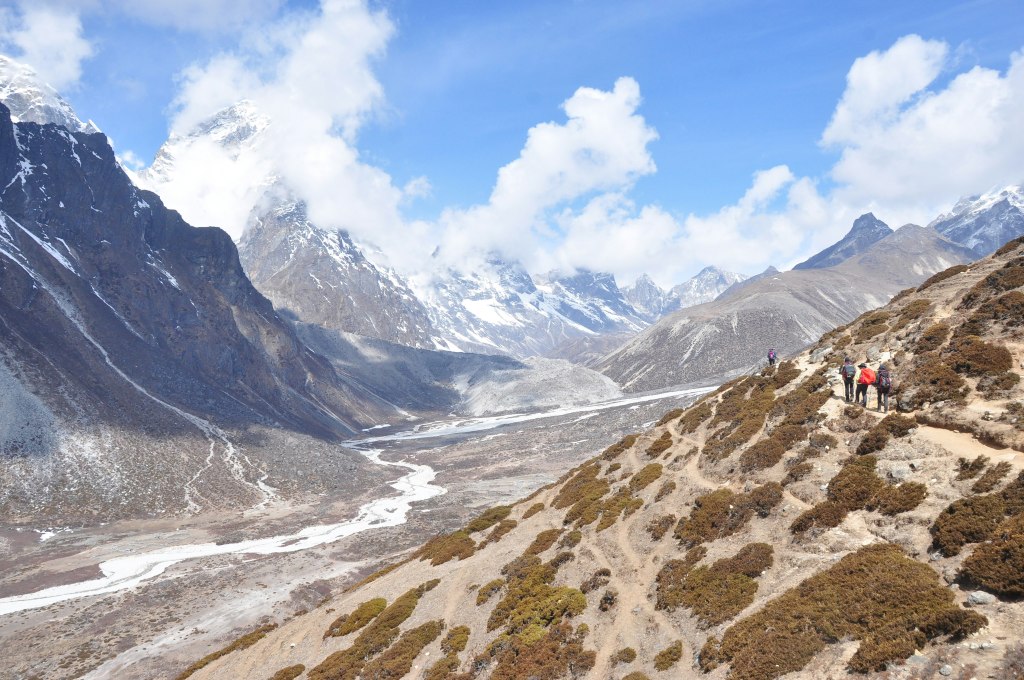
In this series of Sotravel’s Project S adventures, we are conquering one of the most classic trekking routes through the Himalayas to Everest Base Camp. Throughout the 11-day trek with an IFMGA-certified mountain guide, you will be rewarded with stunning landscapes and the opportunity to immerse yourself in the lifestyles of those who live up in the mountains.
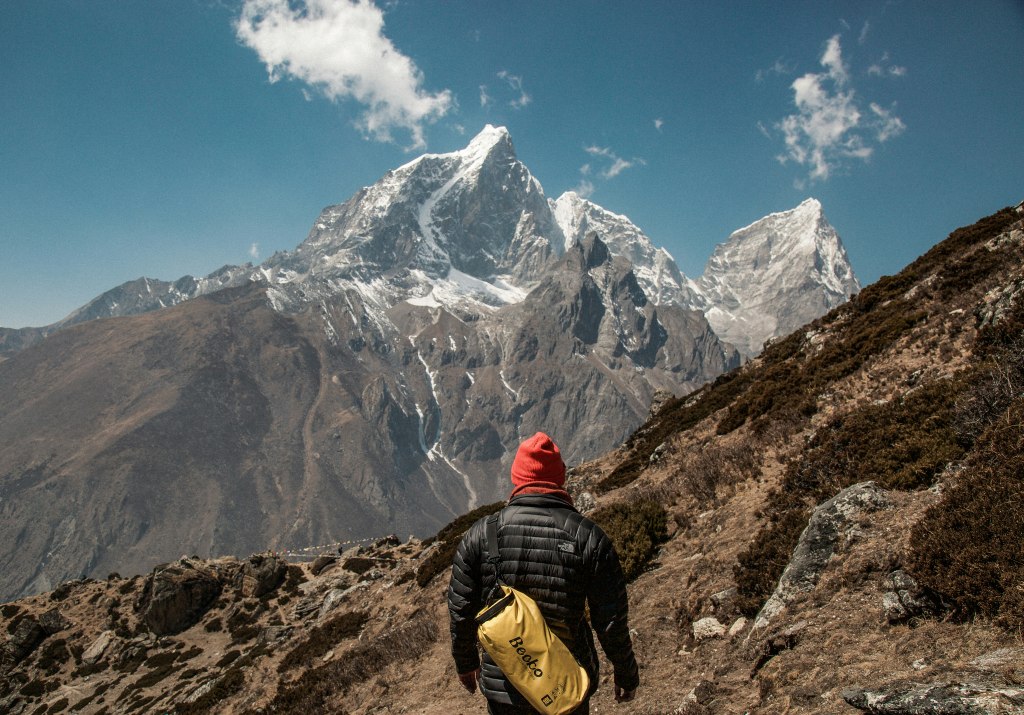
Why Trek to Everest Base Camp?
The Everest Base Camp trek is a classic for good reason – it is the grandest stage of alpine trekking with multiple 8,000m peaks lining the Khumbu region in Nepal.
As one of the 7 natural wonders of the world, we know Mount Everest is on many people’s bucket lists. But a mountaineering expedition up Mount Everest is no easy feat, so the Everest Base Camp trek is an alternative way to get up close to the tallest mountain in the world.
Trekking in the Himalayas isn’t just about the scenery you are rewarded with. The Everest Base Camp trek is also designed for you to get a taste of what life is like up in the mountains as you experience Sherpa culture and hospitality.
What will the trip look like?
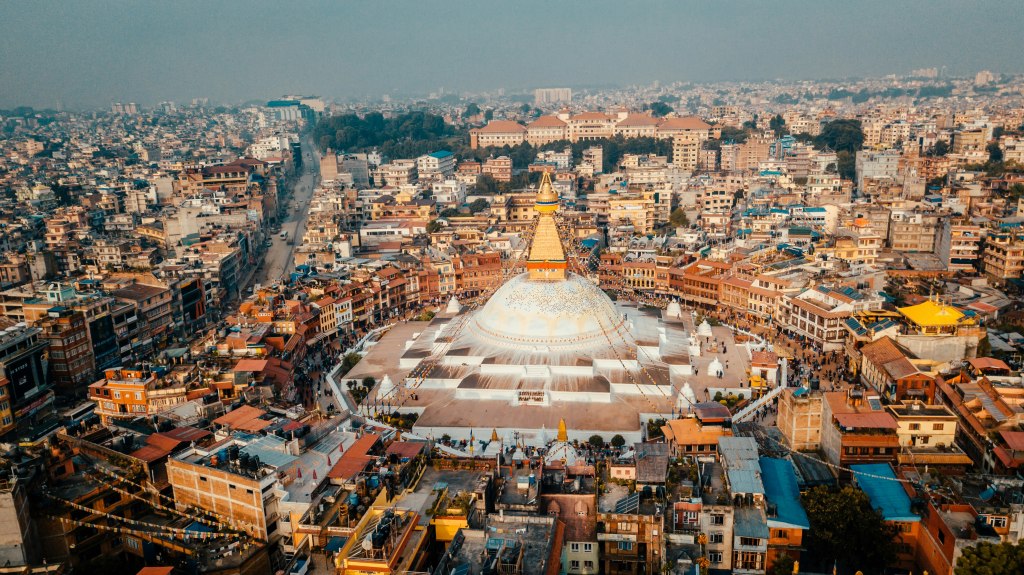
Day 1 – Arrive in Kathmandu City
You will be welcomed by a guide at Tribhuwan International Airport Kathmandu, and they’ll bring you to Kathmandu City. Did you know the Kathmandu valley has the highest concentration of UNESCO World Heritage sites? Immerse yourself in Nepal’s rich culture and history as your guide brings you around iconic sites including the Temple of Pashupatinath, Bouddhanath Stupa, Swayambhunath Temple and Kathmandu Durbar Square
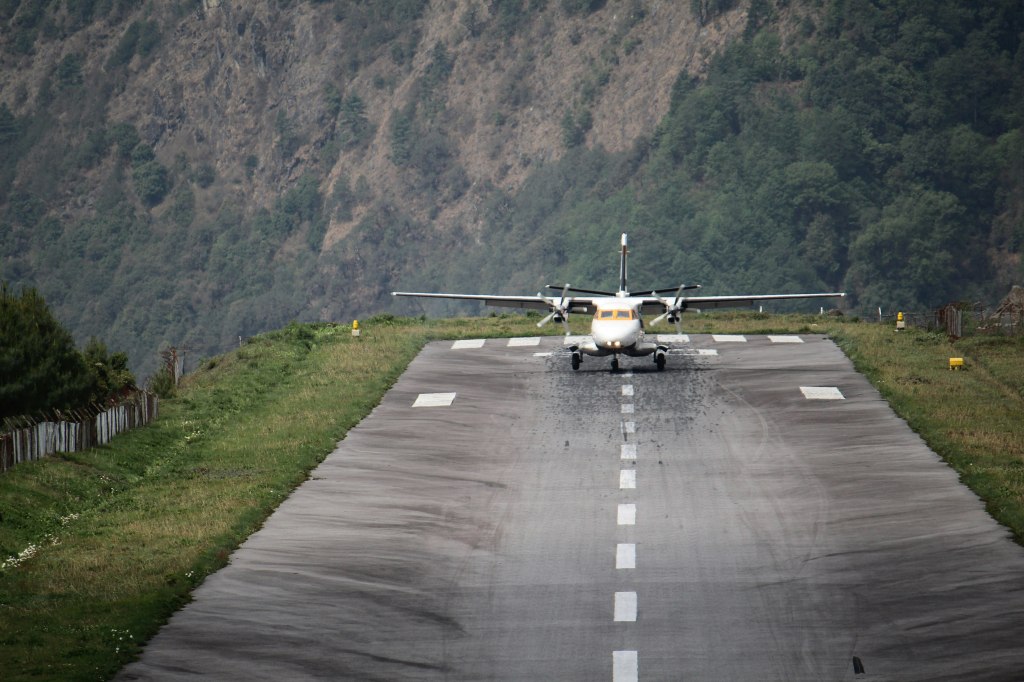
Day 2 – Scenic Flight to Lukla + Commence Trek to Phakding! (Distance 8km, Duration: 3 hrs)
One of the most iconic parts of visiting the Everest region is the flight from Kathmandu to Lukla. Once you arrive in Lukla, you will be greeted by the distinct mountainous landscape. Today, you will trek towards the village of Phakding, where you will stay overnight in a teahouse
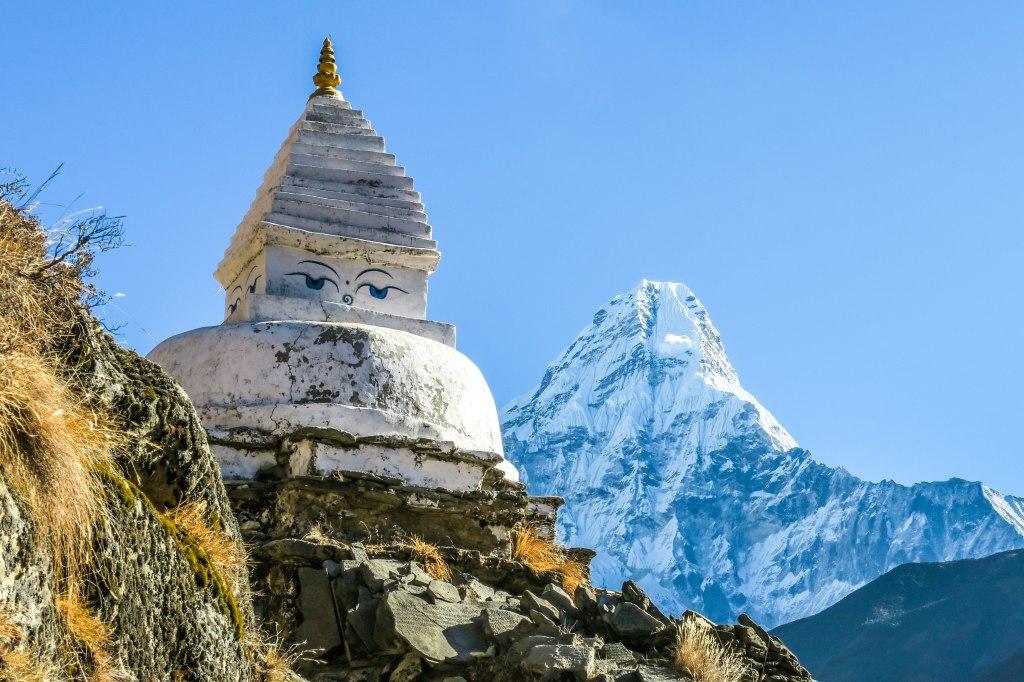
Day 3 – Phakding to Namche Bazaar (Distance: 10 -12km, Duration: 6 hrs)
After breakfast in Phakding, you will make your way toward the celebrated mountain town of Namche Bazaar. Along the way, you will pass small villages and even the UNESCO World Heritage site of Sagarmatha National Park with dramatic mountains, glaciers, and deep valleys dominated by Mount Everest
Day 4 – Acclimatization Day + Trek to the Highest Hotel in the World! (Distance: 3 – 4km, Duration: 3 – 4 hrs)
Namche Bazaar is the perfect place to acclimate to the higher elevation with plenty of offerings to explore. Near Namche lies the world’s highest hotel, Everest View Hotel. You can see Mount Everest and other Himalayan peaks from the hotel you can also explore the Syangboche Airstrip
Day 5 – Namche to Tengboche (Distance: 10 – 11km, Duration: 5 hrs)
The trek from Namche to Tengboche is relatively easy. Tengboche is a village located between the Dudh Koshi valleys and the Imja Khola rivers. Home to the largest monastery in the Khumbu region, Tengboche is regarded as the spiritual hub of the region

Day 6 – Tengboche to Dingboche (Distance: 11 – 12km, Duration: 5 hrs)
Cross the iconic suspension bridge over the Imja River to the village of Dingboche. Known as the summer valley of the Khumbu region, Dingboche is sheltered from winds and receives more sunshine than other parts
Day 7 – Another Acclimatization Day (Distance: 5 – 6km, Duration: 4 – 5 hrs)
You’ll spend another night in Dingboche to get used to the new elevation. During the day, you will take an uphill hike to Nagerjun, where you can marvel at a panorama of 6 mountain peaks. If you are lucky, you can also spot the world’s fifth-tallest peak, Mount Makalu
Day 8 – Dingboche to Lobuche (Distance: 11 – 12km, Duration: 5 hrs)
As you make your way from Dingboche to Lobuche, you’ll pass by the Pheriche Aid Post, which provides trekkers with treatment for altitude sickness and other medical services for locals. You will also cross the Khumbu Glacier moraine before reaching Lobuche

Day 9 – Lobuche to EVEREST BASE CAMP! (Distance: 14 – 15km, Duration: 8 hrs)
This is the moment you have been waiting for. When you finally reach Base Camp, you’ll be standing at an altitude of over 5,000 meters above sea level. The sight of the Khumbu Icefall combined with the Khumbutse and Lingtren mountains makes this one of the most epic views in the world. After soaking up the atmosphere at Everest Base Camp, you will trek downwards to Gorakshep for some well-deserved rest
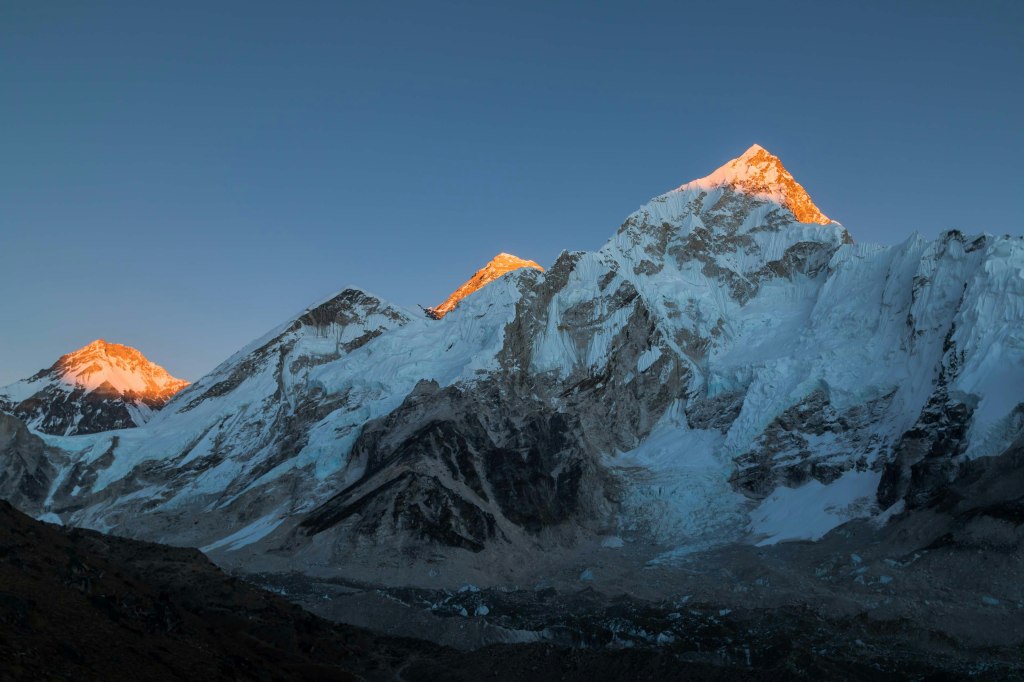
Day 10 – Gorakshep to Kala Patthar to Pheriche (Distance: 13 – 14km, Duration: 7 hrs)
Catch the sunrise on this early morning hike from Gorakshep to Kala Patthar. As the sun rises, watch the mountains turn gold. After the sunrise hike, you will descend from Kala Pathar back to Gorakshep and then Pheriche
Day 11 – Pheriche to Namche (Distance: 14 – 15km, Duration: 7 hrs)
Take it easy and have a relaxed hike back to Namche
Day 12 – End of Trek! (Distance: 18 – 19km, Duration: 7 hrs)
Head back to Lukla from Namche, which marks the end of your trek! Celebrate your achievement with your new friends in the evening
Day 13 – Flight from Lukla back to Kathmandu
Say goodbye to the Khumbu region as you catch a flight back to Kathmandu. After arriving back in Kathmandu, you will head back to the hotel to unwind after your expedition
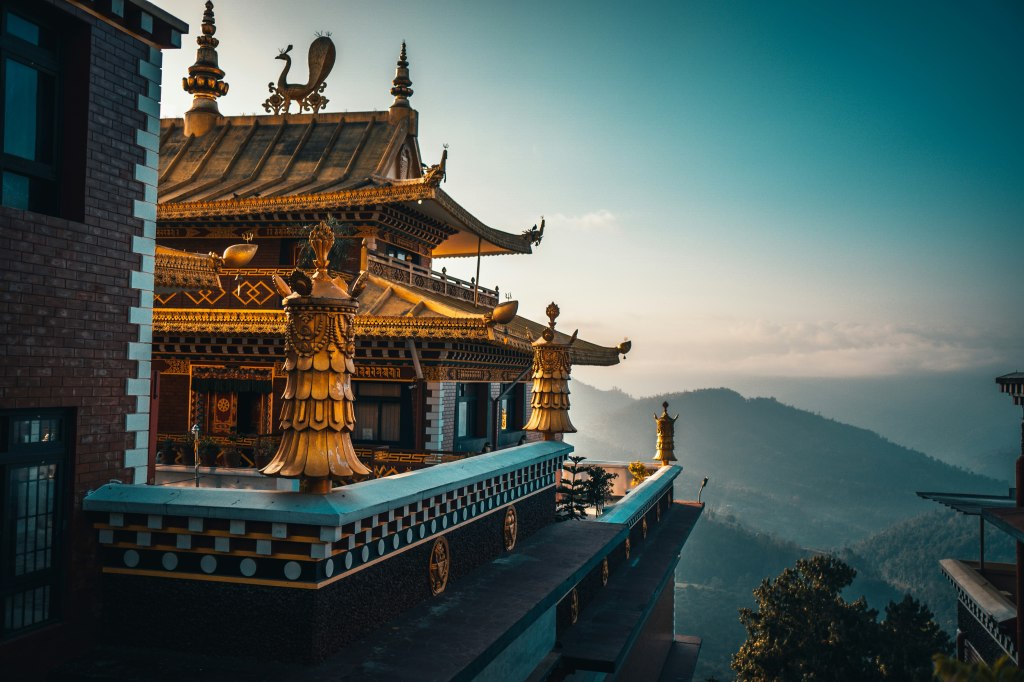
Day 14 – Chill day in Kathmandu
This is a buffer day just in case bad weather does not permit flights between Kathmandu and Lukla. You can take the time to explore Kathmandu more, or just relax in your hotel – it’s up to you!
Day 15 – Farewell
The guide will send you to the airport, where you’ll catch your flight back home, or wherever your next destination is
The trip is inclusive of:
| IFMGA-certified Mountain Guide |
| Porters (1 porter will carry items for 2 people) |
| Accident insurance for trekking staff |
| All ground transport and domestic flight transfers |
| 3 nights accommodation at a 3-star hotel in Kathmandu with breakfast |
| Breakfast, lunch and dinner during trek |
| Twin sharing lodge for accommodation during the trek. Private bathrooms with hot showers are provided at Phakding, Namche and Lukla |
| Round trip flight between Kathmandu and Lukla including departure taxes |
| Duffle bag for trekking |
| First aid medicine kit |
| Sagarmatha National Park Permit fee |
| Trekkers’ Information Management System Fee (Please bring 2 passport size photos for permit) |
| Government taxes & service charges |
Not included:
| Flights between Kathmandu and Singapore |
| Travel insurance, with coverage for emergency rescue flight |
| Entry fee in the Kathmandu valley (varies from S$0.50 – S$10 for each site) |
| Nepal entry visa, which can be obtained on arrival at Tribhuwan International Airport in Kathmandu (S$56 for 30-day visa) |
| Soft drinks including water |
| Snacks and other personal expenses |
| Hot showers during the trek except in Phakding, Namche and Lukla |
| Personal trekking equipment |
| Gratuities for trekking staff and drivers |

Do I need to be super fit?
This trek is no walk up Bukit Timah Hill, but it definitely isn’t as daunting as the name sounds. People of all ages have completed this trek – even a 6-year-old from Singapore. There will be breaks and porters to help with your bags.
What can be challenging about this trek is that you will be walking upwards, and the terrain is not flat like a pavement. We do recommend doing some prep work before the trip. One way you can prepare is to climb up and down Bukit Timah Hill with a heavier backpack multiple times to train your endurance. You can consider going on weekend trip to one of the many trekking destinations in Southeast Asia so you get the hang of what natural terrain and gaining elevation is like prior to this trip, if you haven’t already done so before

Is this safe?
While Mount Everest is a dangerous mountain to climb, trekking to Everest Base Camp is generally safe. The biggest risk factor is altitude sickness, which can be life-threatening if not handled correctly. In fact, most deaths in the Everest region are attributed to altitude sickness.
Adequate acclimatization is incredibly important, which is why acclimatization days are incorporated into the itinerary. If you display signs of altitude sickness, your guide will advise you on whether to proceed or descend. Please listen to your guide!
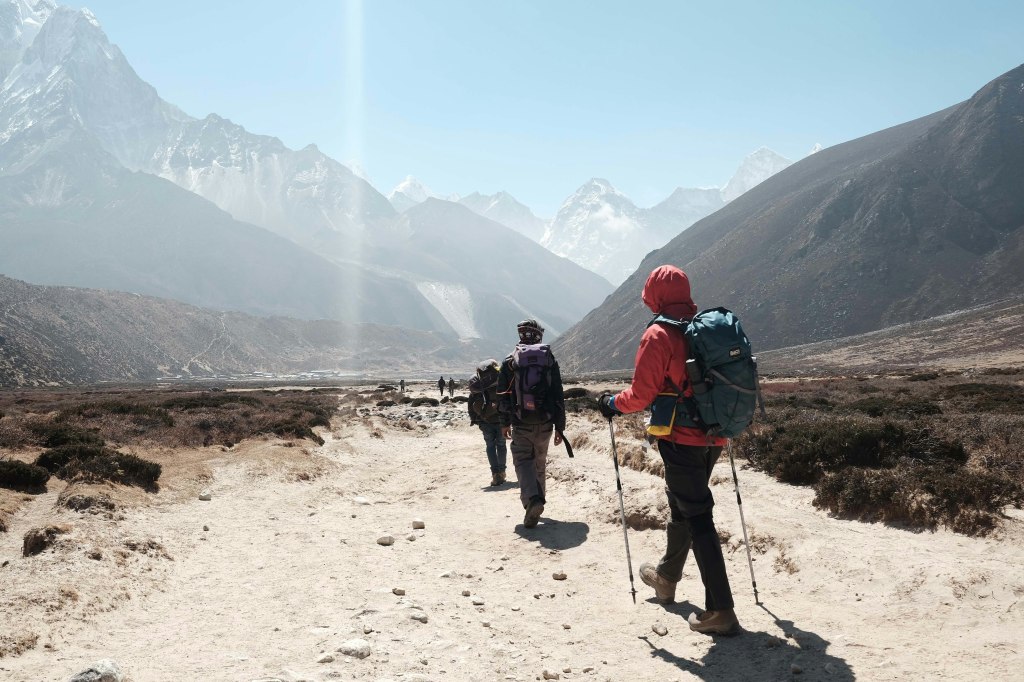
Who will be your guide?
Your guide for this trek will be Mr Tulsi Gurung.
He is a certified by the International Federation of Mountain Guides Association (IFMGA), which has highly rigorous requirements. As of 2023, there are only less than 150 IFMGA guides in Nepal.
Tulsi has summitted Everest twice. He is a board member of the Nepal Mountaineering Association. He is featured on the Netflix documentary, Aftershock. He has also performed multiple rescues.
You know you’ll be in safe hands on this trek.
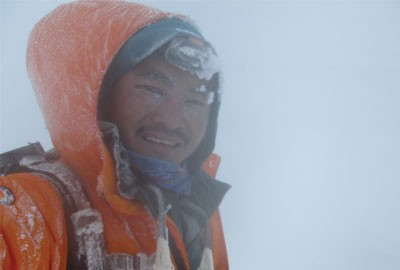
Tulsi is accompanied by his team from the Himalaya Summit Club. This team comprises highly experienced guides and porters who are also friends and relatives from his village.
The team members are super fun and friendly people, and many of them have trained to become Ghurkas, including for the Singapore Police! You can learn about their lives, culture and build lasting friendships on the journey with them.
Remember, the journey and the people are often more meaningful than the summit itself!
Do I need special equipment?
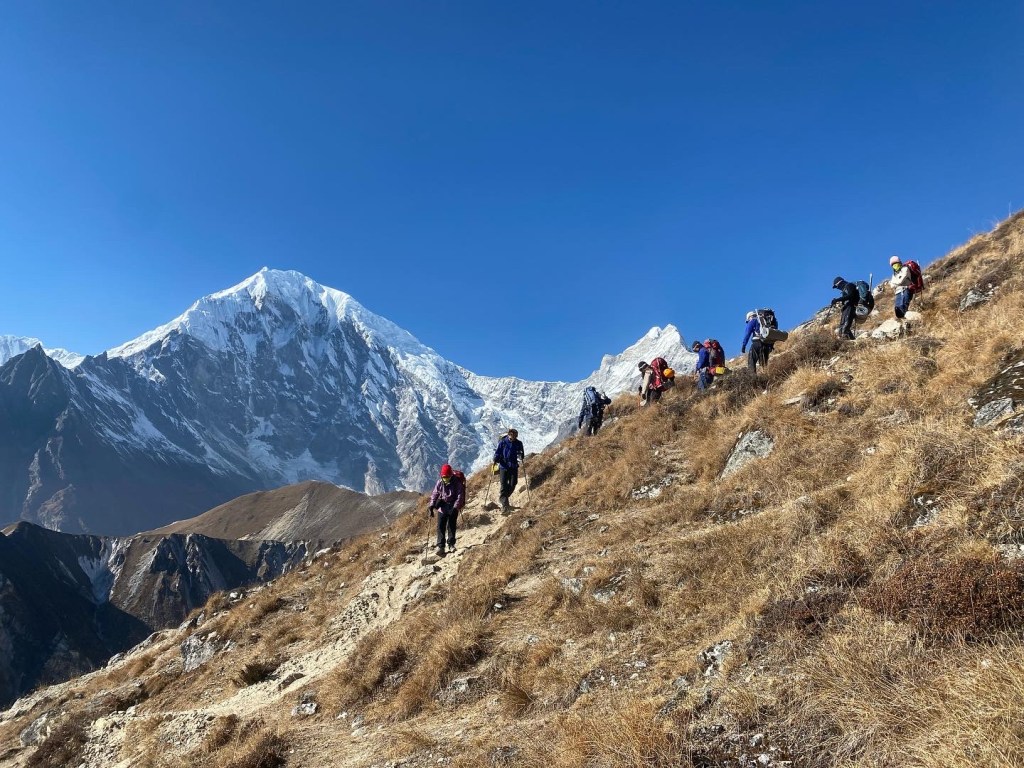
Unlike the climb up Mount Everest, this is still a trek (not a mountaineering expedition!) so you don’t need too much fancy and expensive equipment.
You do need a good pair of hiking boots, waterproof pants and lightweight warm clothing (depending on the season you go). Hiking poles can be helpful with balance too. You can get these from Decathlon or secondhand from Carousell for reasonable prices.
 Sotravel
Leave a comment