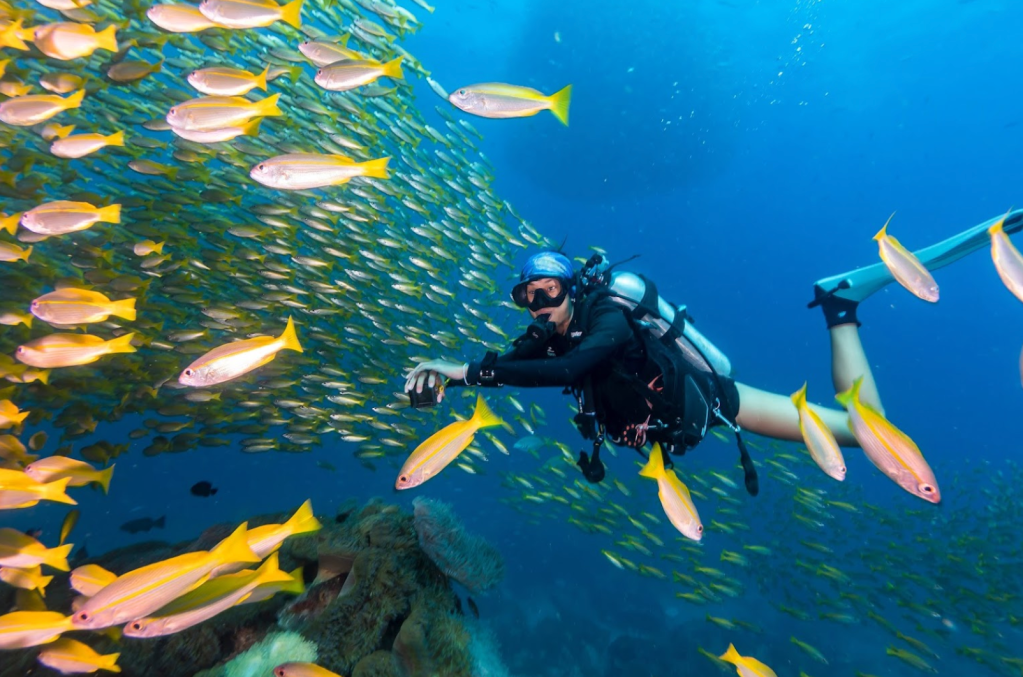
About to take your first plunge into the blue? It will be an experience like no other. No longer trapped by gravity, stress, or obligations from the surface as you glide through the majestic blue waters, surrounded by the most vibrant reefs and fishes. Diving might just be the closest humans can come close to exploring a whole new world in the near future, unless SpaceX tourism kicks off in the future decade.
Diving, however, comes with its risk. Sometimes known as the most peaceful extreme sport, diving requires knowledge and preparation. Here’s a comprehensive guide to get you started, covering everything from getting your first diving license to understanding your gear.
Open Water Course
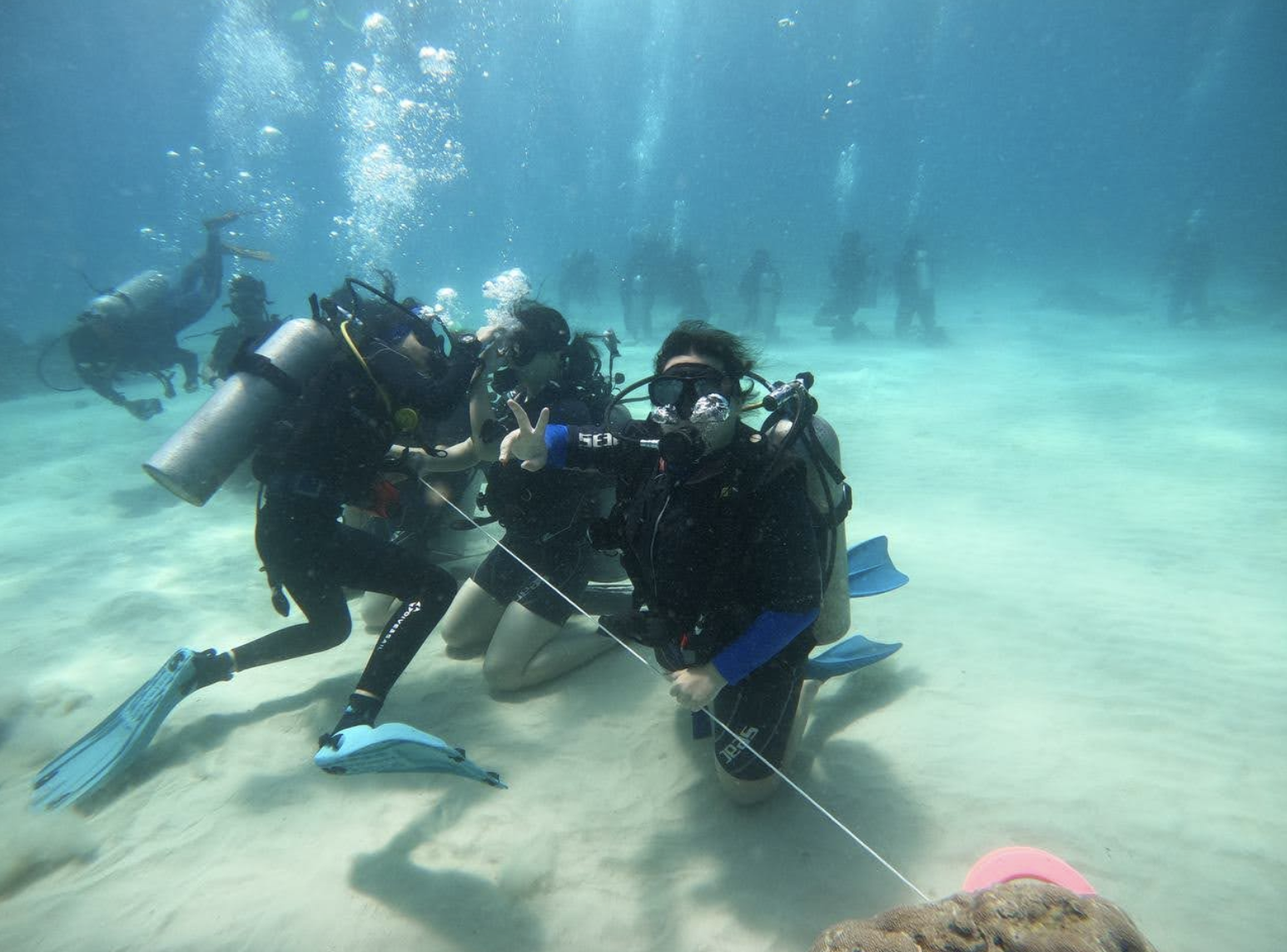
This will be your first ever licence in recreational diving! Known as the Open Water Course, this licence teaches and gives you the ability to dive to 18m deep as well as all the necessary skills needed to dive!
Unless you are a newly evolved human who can breathe and see underwater, these are essential skills that make you an independent, safe diver. Some of these skills include, but are not limited to regulator recovery, mask clearing and many more!
The course usually takes 3 days to complete. The first dive is known as a confined water dive, where you will be in a swimming pool or shallow seawater. There, you will learn and practise those essential skills needed for the open water.
After which, you will be taking a plunge into the open water, where you will complete your first 4 open water dives! The depth of each dive will progressively increase as you begin to familiarise yourself with diving and the sea.
There will also be a theory aspect of diving to learn, of course! Taught through a combination of e-learning and in-person knowledge reviews, the theory you learn will be tested with your final Open Water theory exam. Learn about the effect of the depths of the sea on us divers as well as the environment, and much more.
What are the certification requirements?
Before your trip, you will need to complete and pass the online assessment that is sent to you prior to your trip. During your trip, you will need to pass a 200m swim and float assessment and complete the physical assessment drills in the ocean. While completing a bunch of drills in the ocean may sound daunting, there’s little to worry as your diving instructor will guide you at every step of the way.
PADI, SSI, CEMAS – Which one should you get?
So you want to do your open water but suddenly you hear people are getting their licences from different agencies and schools! What?!
In the world of diving, diving agencies, such as PADI and SSI, are organisations focused on diver training. Other agencies include CEMAS, NAUI, GUE, and many others. Dive schools are affiliated with these agencies and certify students with licences from them.
PADI and SSI are more popular amongst recreational divers as licences from these agencies are recognised in countries all around the world, even remote ones. These two agencies offer diver training from beginner to advanced levels and all the way to professional licences.
There is little to no differences between the teaching and standards between PADI and SSI until one reaches the level of “professional diving”. Plus, the licences given out by PADI or SSI at each stage have equivalent counterparts to the other diving agency and are recognised by the other as well.
So… feel free to swap between PADI and SSI certificates as you progress on through your diving journey. For example, I did my Open Water with PADI, but continued on with my Advanced, Rescue Diver course, and Divemaster training with SSI. I also eventually returned back to PADI for my instructor certification.
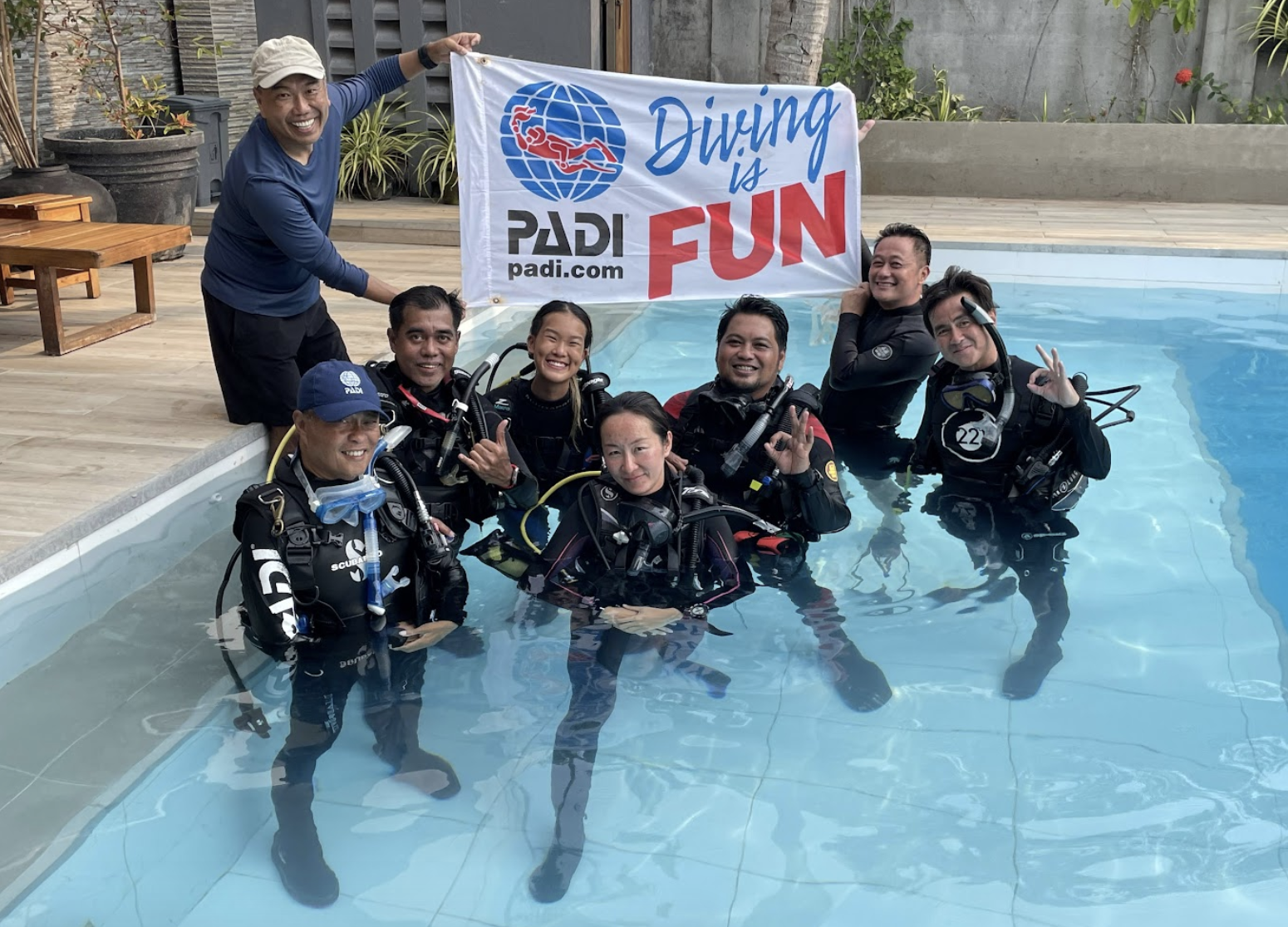
Getting to know your gear rentals!
Let’s get you geared up!
When first taking a look at your gear for diving, you may feel a tad overwhelmed by the sheer number of equipment you have. So let’s break it down.
Basic diving equipment often includes:
- Buoyancy Compensator Device (BCD)
- Tank
- Regulator
- Mask
- Fins
- Wetsuit
A tank and regulator help keep us divers breathing underwater, with the tank holding our air supply and the regulator feeding us the air to breathe. Your BCD helps you to maintain neutral buoyancy (a term that will make more sense after your OW course), allowing you control of where you are in the blue. Your mask helps you see, your fins let us divers move effortlessly underwater, and your wetsuit keeps you warm.
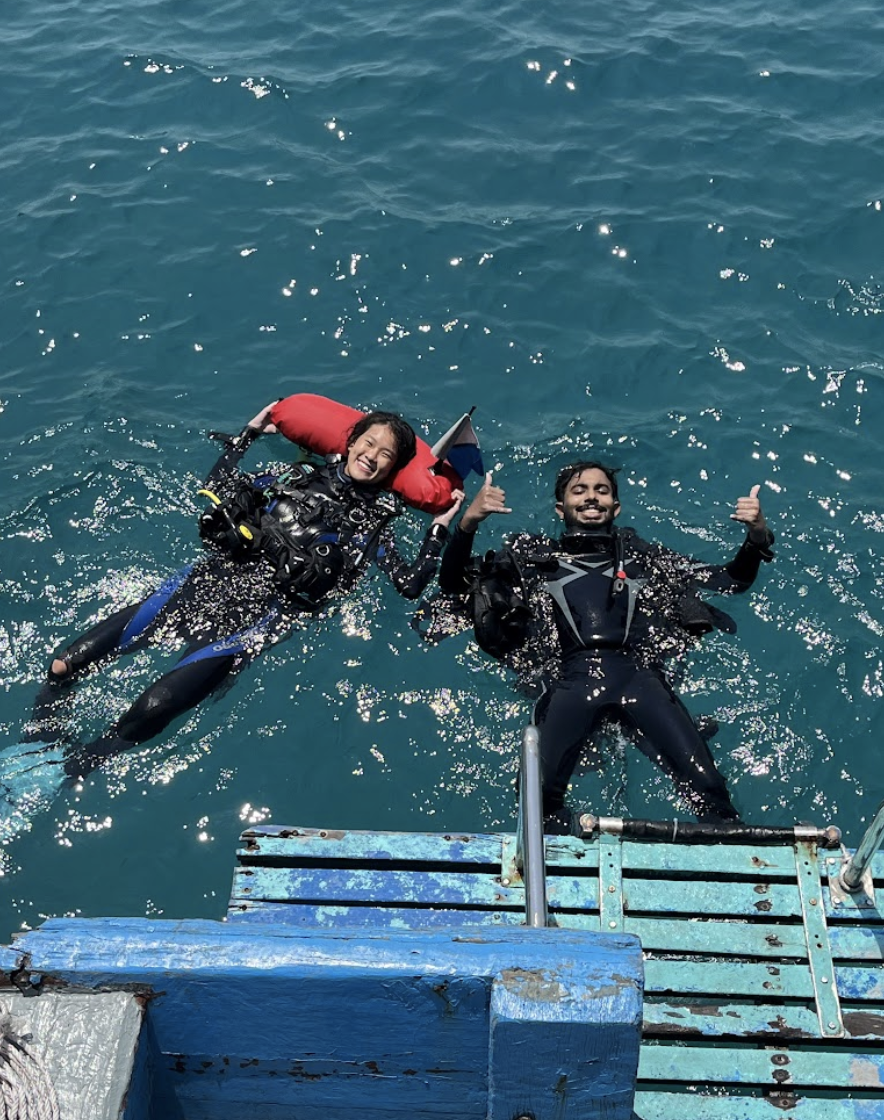
As you continue diving, you will soon learn of more equipment such as:
- Dive computer
- Knife
- Compass
- Surface marker buoy
This additional equipment, however, is not essential for your Open Water Course. Do not fret! Over the course of your OW, you will familiarise yourself with your diving equipment and your instructor will surely give you a more thorough and memorable breakdown of the use of this equipment as well.
Do I need to buy any specific gears?
A rash guard is not a bad investment. Although a wetsuit keeps you warm, some find a wetsuit too hot to dive in tropical waters. A rash guard can be worn inside a wetsuit or just on its own.
If you are looking to buy some personal equipment, the best equipment to start with would be a mask, dive computer, and fins.
What happens after getting your open water certification?
You can now enjoy the best part of diving which are Fun Dives! Put simply, these are leisure dives where you get to enjoy the sport without the stress of passing a bunch of assessments.
From here, you may also be eager to progress on with your Advanced Open Water Course (AOW). While most people stop at the advanced certification, some may proceed on and attain other certifications that allows you to become a Rescue Diver, Wreck specialist, or even a dive master.
While you might be eager to press on and continue your education, one must not look down on the importance of fun diving. For an Open Water diver with even just 50 dives is often far more confident and skilled than an Advanced Open Water diver with 10 dives.
Parting words: The beauties of diving

Have you ever watched “The Blue Planet” or any underwater Nat Geo documentaries? Then, you must have seen how much the ocean has to offer. Vibrant coral reefs, majestic giant gentle beasts and the smallest, wonderful creatures await you under the waves.

Just imagine swimming alongside a great whale shark like this! There is no feeling quite as humbling and yet wonderful as being in the presence of such a majestic creature.
The sea is so big and there are so many different types of diving to explore after your Open Water Course. From exploring haunting sunken wrecks and sunken cities…
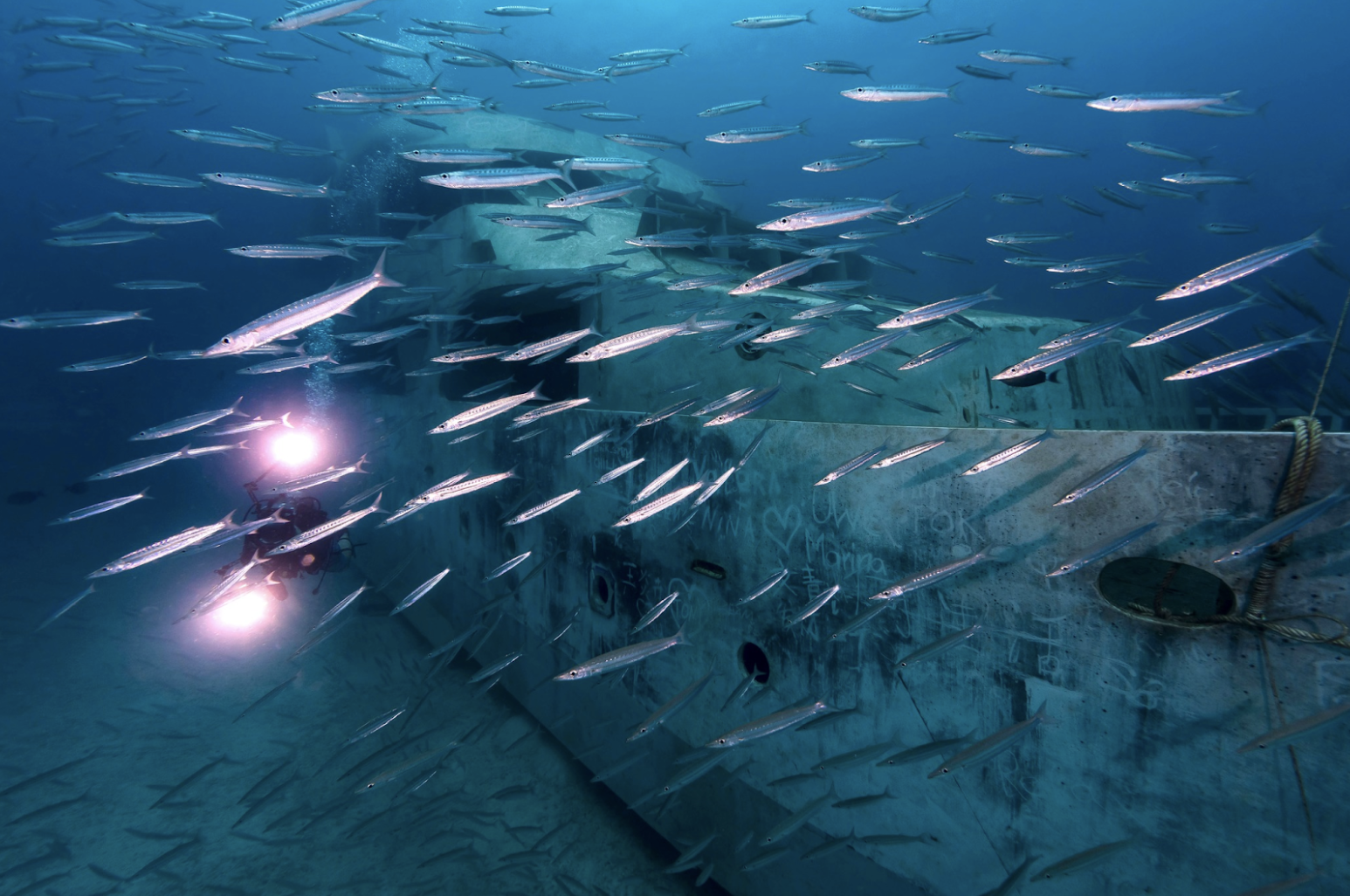
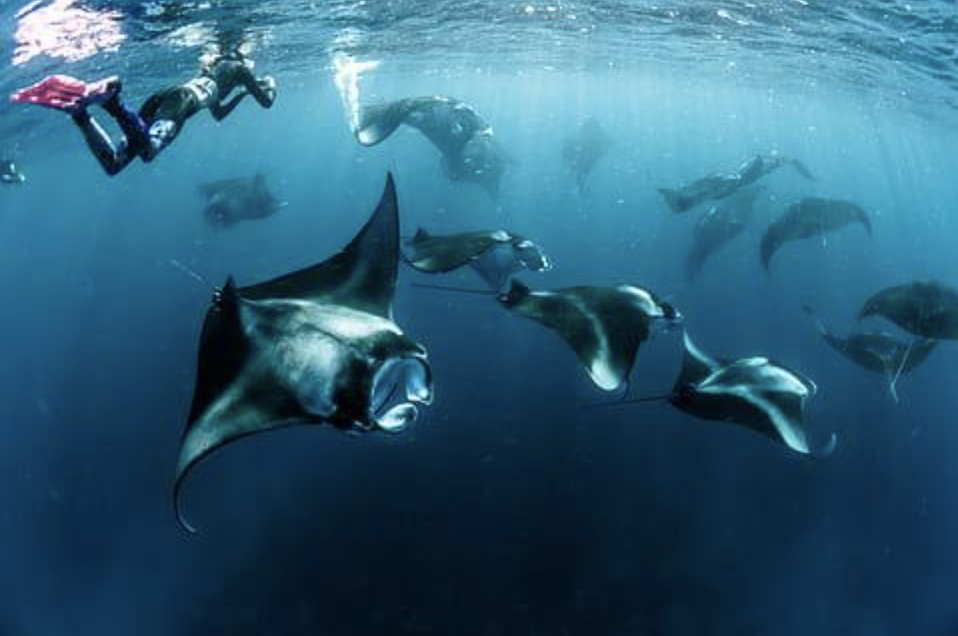
to sprawling white sandy sea bottoms in search of the elusive eagle rays to witnessing the great migration of manta rays.
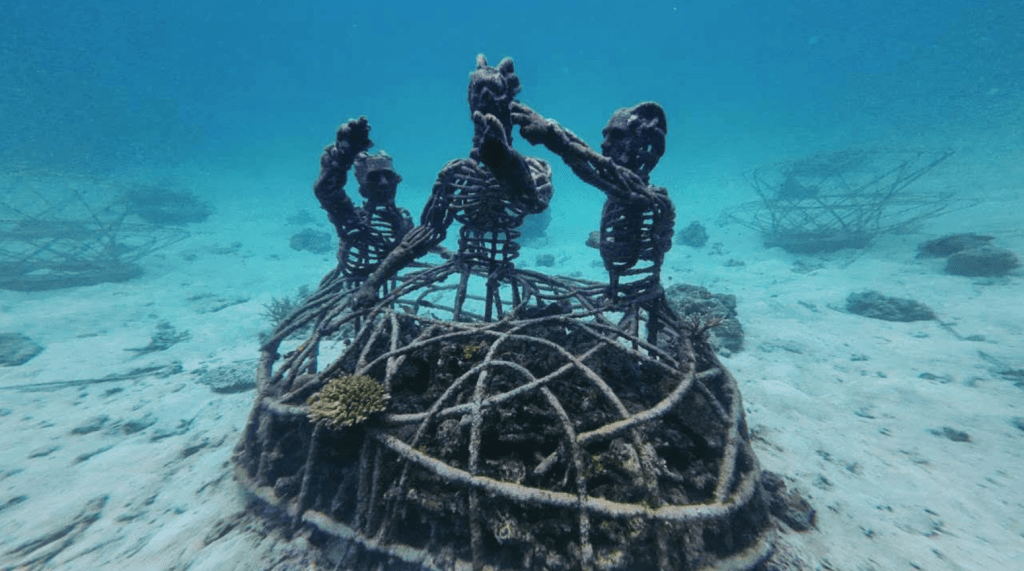
Witness conservation efforts of marine biologists and the fruits of their labours in the incredible underwater installation of artificial reefs.

So what are you waiting for? Join Sotravel on our next dive trip and get your licence. Forge bonds with your dive buddies under the blue and immerse yourself in a whole new world.
 Sotravel
Leave a comment