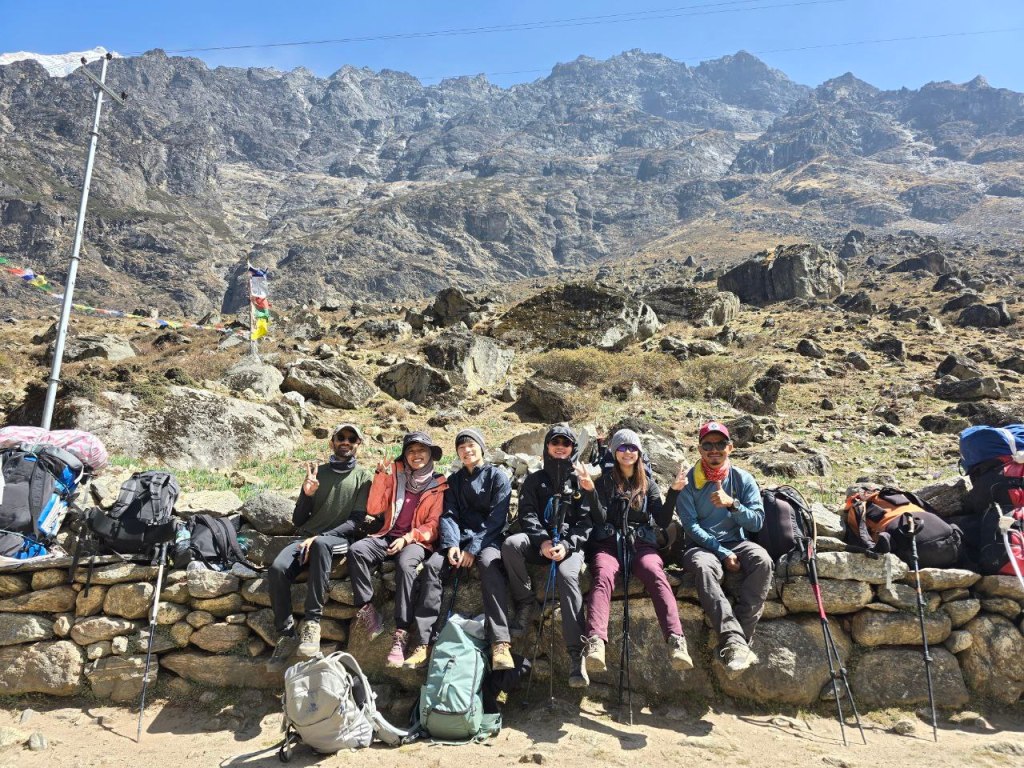
This article is written based on Natalie and Kelsie’s experience, shared during their Langtang Valley webinar.
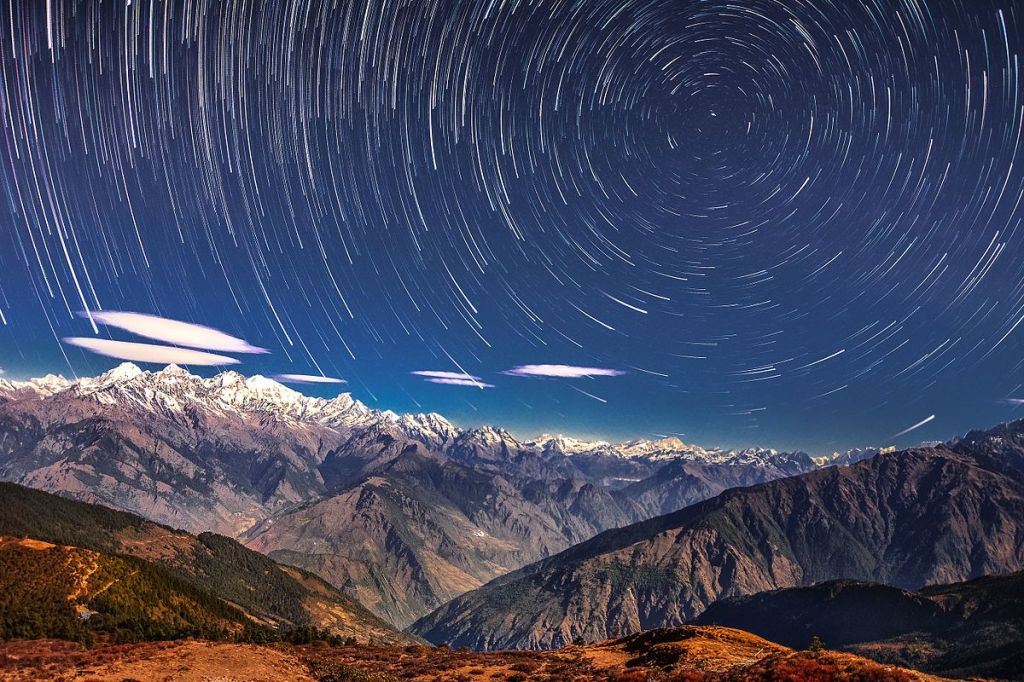
It all started with a picture that we stumbled upon on the Sotravel website – the Himalayas under a blanket of stars. We were instantly hooked and wanted to experience that beauty firsthand. Being total newbies to hiking, we wanted to choose a trek that was both memorable and beginner-friendly, and Langtang Valley seemed like the perfect fit.
Prepping for the adventure
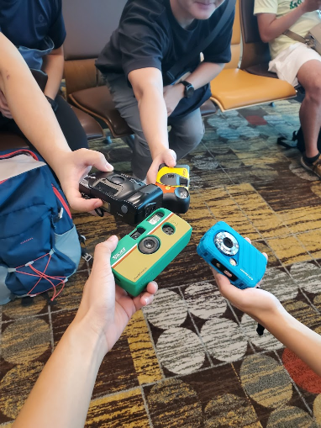
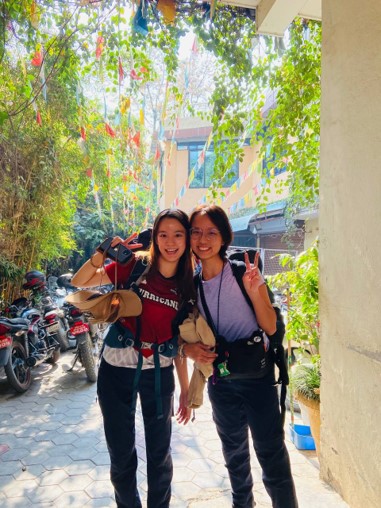
After a six-hour-plus journey including a one-hour stopover in Bangkok that left us running to catch the next flight, we landed in Kathmandu and met our fellow trekkers who had also signed up through Sotravel. The funny part was that all of us brought film cameras, which we didn’t plan to bring, but somehow we all had the same idea. Later on, we got a crash course on what to expect during our trek, from tips on how to acclimatise to mentally prepare for the trip.

Our first order of business: gear shopping! Our guides took us to this very interesting and intensely packed gear shop that was very hard to find, with no signboard in sight. It was a treasure trove of jackets, boots, hiking poles, sunglasses, hats, and everything else we needed, all at super reasonable prices.
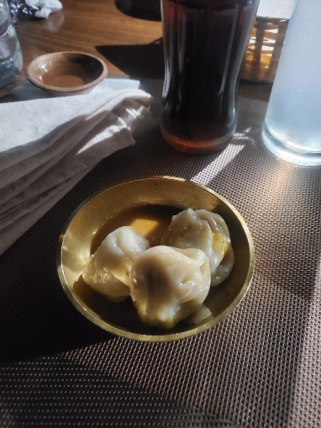
We ended our first day with a very nice meal at a restaurant. They treated us to a whole ceremony with traditional dancing and served delicious local cuisine. One standout dish was Momos, which are like dumplings filled with various meats or vegetables. We absolutely loved them. The atmosphere was so lively that we ended up dancing on the stage with the locals.

The trek begins… with a really fun and chaotic ride
On day two, the bus ride from Kathmandu to Syabrubesi (our base camp) was an adventure in itself. It was like a real-life Fast and Furious, but on a winding mountain road. The bus ride was definitely one of the highlights of the trip for us. Once we finally arrived, we took some time to rest and stock up on essentials like water. Here’s a tip: buy as much as you can here, because prices go up the higher you climb.
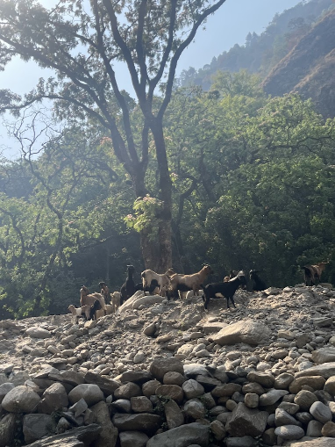
Then, on day three, it’s time to begin the actual hike. The first part of the trek was through a beautiful forest. It was pretty warm, so we only wore t-shirts and long pants to protect our legs from the branches and stuff. Don’t forget to pack a windbreaker or a light jacket, as the weather can be unpredictable. The terrain here is a mix of rocky and sandy paths, winding through a beautiful forested area. The lush forest makes for a pleasant start to the journey, we saw horses and yaks (wooly animals that can only be found in Himalayan regions), and you won’t catch glimpses of the mountains just yet.
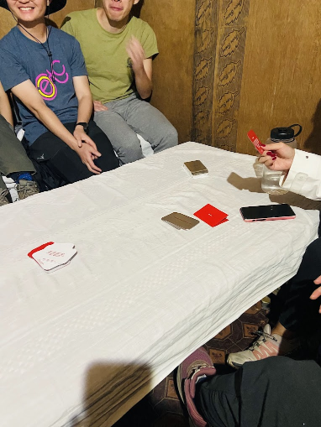
We spent the night at Lama Hotel, a cozy lodge where we bonded over card games and even surprised one of our new Sotravel friends with a birthday cake.
The long-awaited views and unexpected challenges
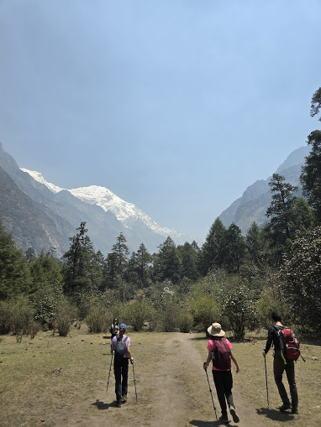
Day four was a game-changer and became our favourite day as we emerged from the forest and started to see the incredible mountain peaks. It was a really great moment after going through a long trek. We finally arrived in the Langtang Valley.
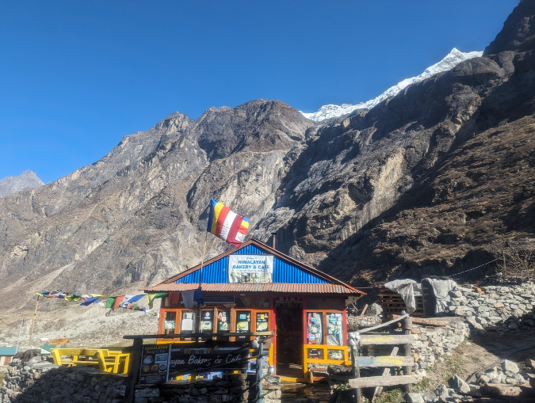
After dinner, our guide gave us a briefing on the upcoming days. He tried to comfort us after revealing that we’d be facing a near-vertical 90-degree incline, which understandably shocked everyone. His attempts at reassurance were quite funny, making for a lighthearted moment in the middle of the anticipation of the challenging climb ahead.
As we continue our trek the next day, we started getting briefed about altitude sickness. Also, the temperatures were getting colder, so we added more layers. The temperature dropped to around 7°C in the afternoons and could even reach freezing or below at night. It was also quite windy, so remember to bring layers and wear them when needed.
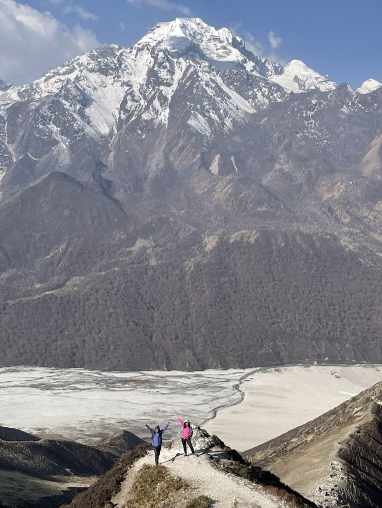
Our hike continued to Kyanjin Gompa, located at around 3,800 meters above sea level. We took plenty of rest stops, which were essential as the air got thinner and we needed more time to catch our breath. Rest breaks became our favourite pastimes! We shared a lot of snacks and conversations, which really bonded everyone together.
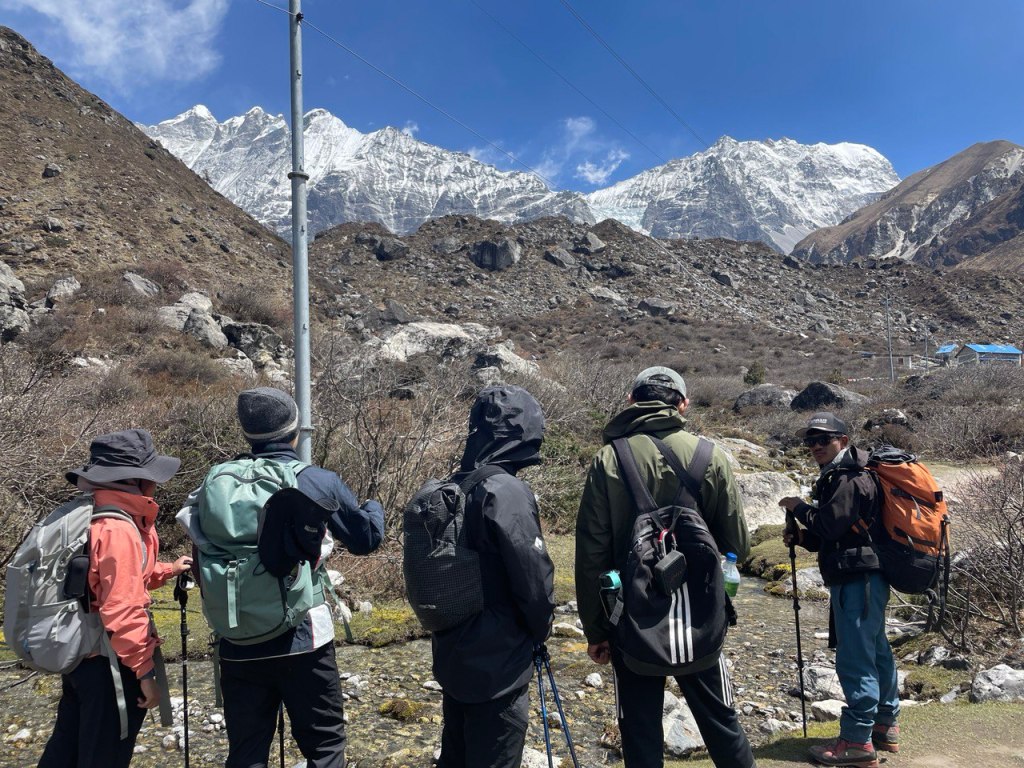
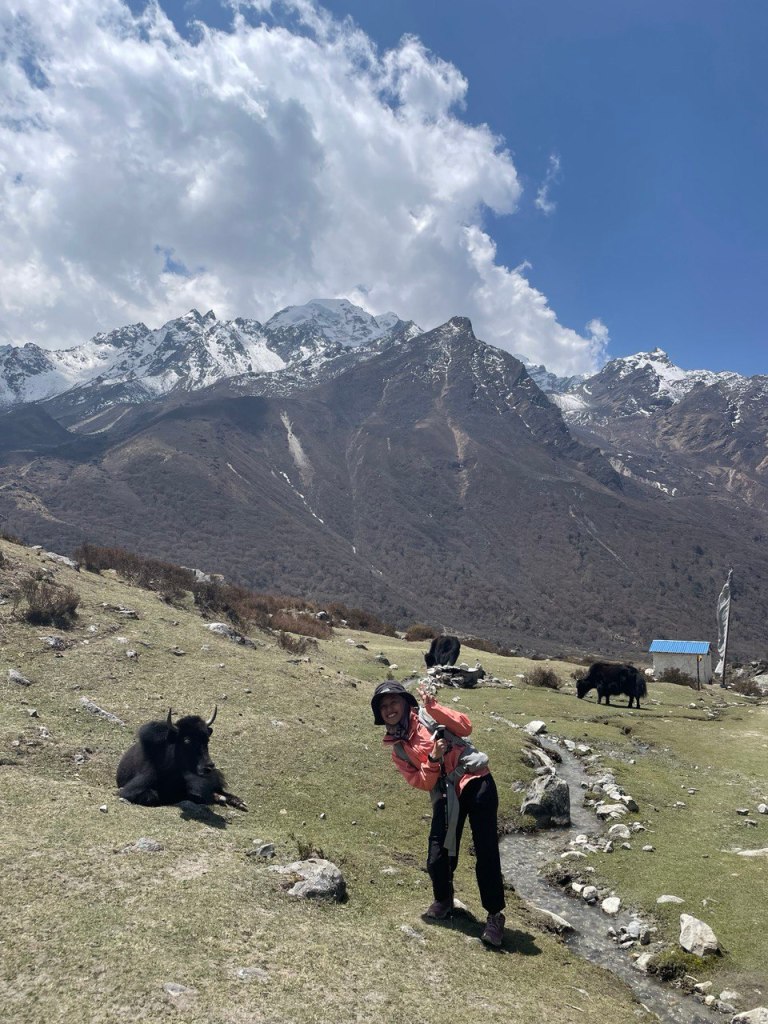
After a quick lunch, we tackled the challenging climb up Kyanjin Ri Lower Peak, a 4,240-meter mountain. The steep incline and dusty, windy conditions made the climb tough, but we all made it to the top. Day five was spent resting in Kyanjin Gompa, as we needed to be well-rested for the early 5:30 AM start on the next day.
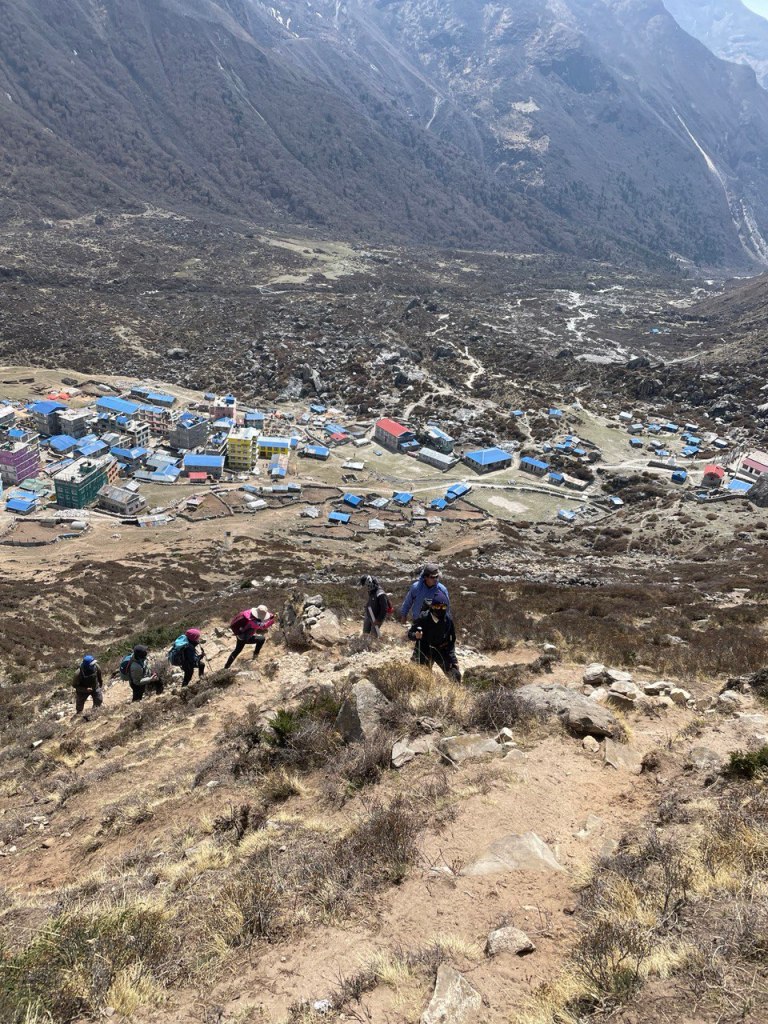
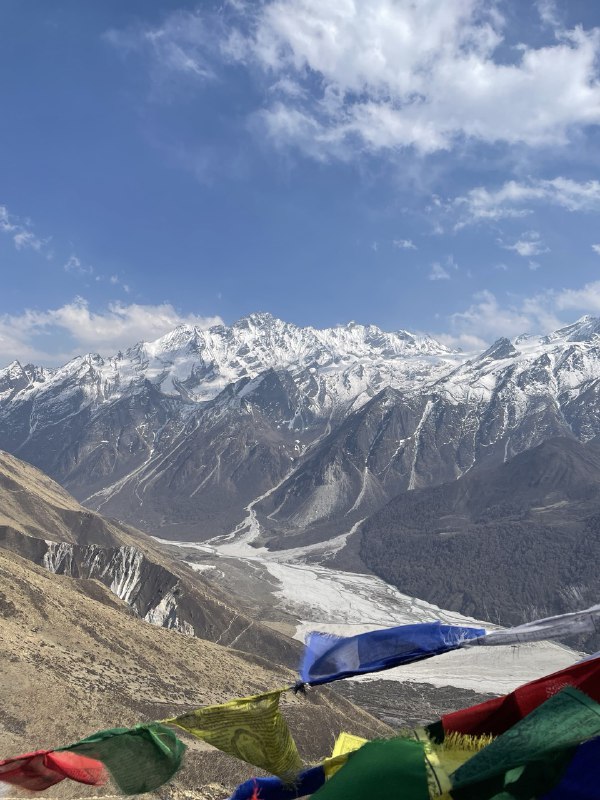
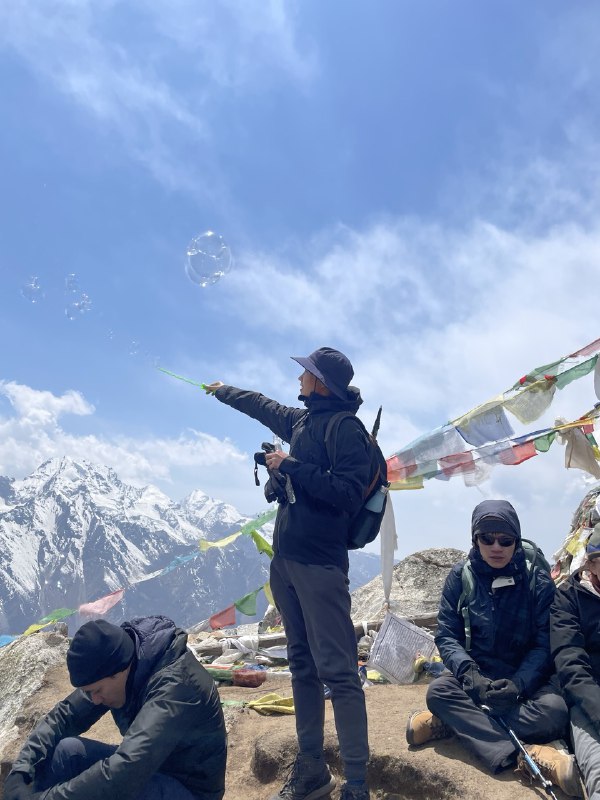
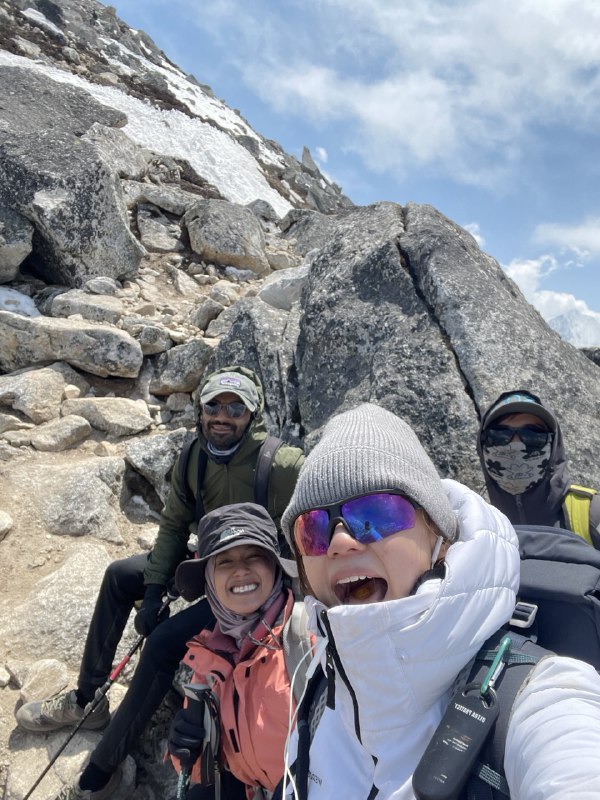
The most difficult part was the final ascent to Tserko Ri on day six. We hadn’t mentally prepared for climbing a 5,000-meter mountain, and the altitude and challenging terrain made it extremely difficult. It was steep, windy, and exhausting. But when we reached the summit, all the pain melted away. The panoramic view of the Himalayas was absolutely breathtaking. We cheered, hugged, and even blew bubbles (yes, one of our group brought bubbles all the way up there!). It was a life-changing moment that tested our limits.
The home stretch and lifelong memories
The trek back to Syabrubesi was a blur. It took us over five hours to carefully navigate back down to Kyanjin Gompa. But the day wasn’t over yet! To adhere to the “climb high, sleep low” principle, we had to descend further to Langtang Valley. This meant embarking on a night hike, a first for many of us. It was a thrilling, yet slightly nerve-wracking experience, as we followed each other closely in the darkness.
We were exhausted but filled with a sense of accomplishment. A pat on the back for all of us for being Langtang legends. We celebrated with a final dinner party, complete with dancing and heartfelt goodbyes to our amazing guides.
This trip pushed us far beyond what we thought we were capable of. It was a physical and mental challenge, but the memories and friendships we made will last a lifetime. We can’t wait for our next adventure!
Tips for future trekkers
- Train: climb stairs, hike with a weighted backpack, and do some endurance training before you go.
- Prepare for altitude sickness: talk to your doctor for an altitude sickness pill prescription and take it easy on the first few days to acclimatise.
- Bring a water bladder: It’s a game-changer for easy hydration on the trail.
- Pack reliable hiking shoes: break them in for a while, make sure that they are comfortable before the hike.
- Embrace the experience: keep a positive mindset and be open to new challenges, especially if you’re a beginner, so you’ll be able to push through the tougher parts when you feel exhausted.

Climbing two mountains in two days is a huge achievement for any beginner or even experienced hiker. The feeling of reaching the summit and overcoming challenges was incredible and sparked a love for hiking and nature. We are even considering trekking to Everest Base Camp next year. We hope this inspires others to challenge themselves and try new things! Remember that it’s not just about the destination, it’s about embracing the journey and the challenges you overcome along the way.
 Sotravel
Leave a comment