It’s just walking right? How hard can it be?
Yes, it can actually be pretty hard – ask anyone that has ever done Mt. Rinjani. But it doesn’t have to be torturous, if you’re prepared. So whether you are on the fence about joining one of our beginner hikes or you are training up Annapurna Base Camp (and perhaps some mountaineering to boot!), we have the perfect beginner’s guide to walk you through the process.
1. Which trek to choose?
Good question. At Sotravel we split our hike into three categories (the lines are blurry with some treks but you get the idea): Beginner-friendly, Improver-friendly and Challenging.
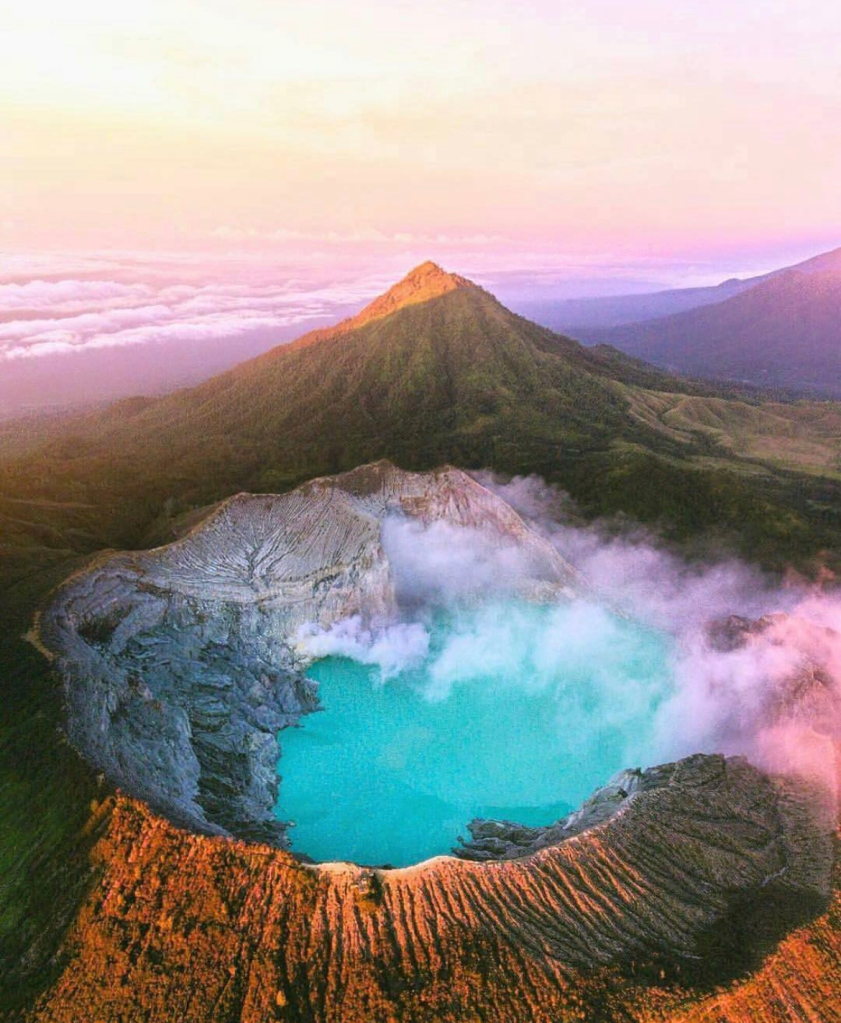
Beginner-friendly hikes usually require no training to start of with – unless you are completely sedentary, in which case you should probably do a bit of weekly jogging and 1 or 2 long walks (>1 hr) per week.
Improver-friendly hikes is the nice way of saying challenging hikes that actually require you to do a bit of training. Think Fansipan or Mt. Ophir (debatable if the latter should be in challenging). You should probably be following our training program.
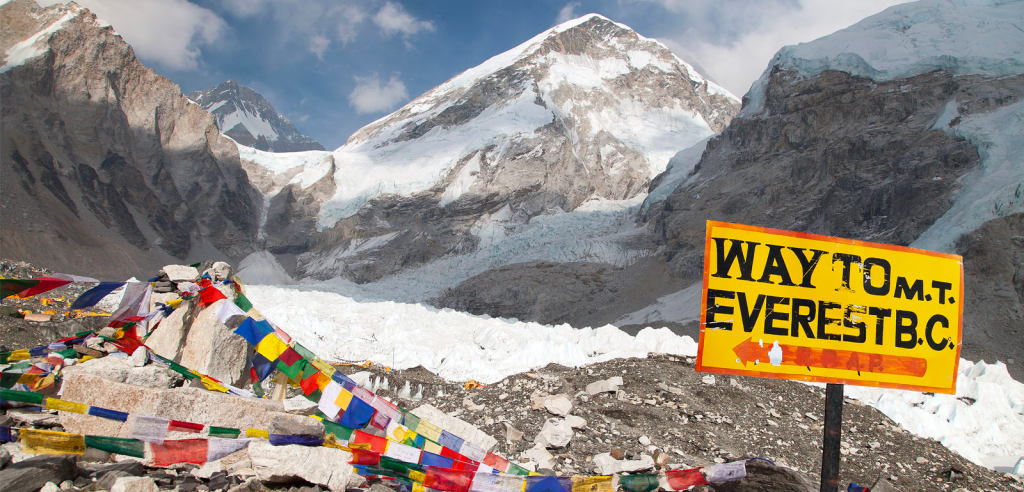
Challenging hikes are basically for those with more experience in hiking already. Usually these hikes are at a very high altitude for several days and require acclimatisation – our Nepal hikes (EBC, ABC) fall into this category. Langtang Valley is not as tricky but there’s still over 5 days of actual trekking. You should definitely be following our training program, or you probably already have your own 🙂
So which one to choose? Obviously, go with whichever one you can afford – both the time and cost for, and let your ambition and interest naturally guide you to which of our hikes are the best for you. Just note, the more physically prepared you are for a hike, the more capacity you have to enjoy the scenery and interact with the locals. Nobody wants to be the slowest hiker scrambling for the cut-off timing.
2. What gear/clothes to buy
The question we always get the most with our hikes are – are hiking poles provided? Followed usually by – are there hot showers?
Here’s the thing – you don’t need the most expensive gear to get started hiking. For sure the most important gear you need is a good pair of hiking shoes. Decathlon shoes are usually more than good enough, as long as the tracks on the bottom of the shoe are thick enough (more than 3mm is good), and the shoe is somewhat waterproof. More importantly is if you are actually comfortable wearing your shoes, and breaking them in so you don’t get any blisters. You could of course wear an old worn-out pair of trainers, but good luck descending loose soil/rocks without taking a nice looney-tunes fall onto your bum.
Trekking Poles

Trekking poles are very useful, mostly because they give you stability and help offload a bit of the weight of your poor tired legs. Again, you can just buy the $10 ones from Decathlon – no need for pure titanium or carbon-fibre ones with suspension. Unless of course you want to get them, then by all means. If you are feeling gung-ho, you can always go hands-free, but I don’t think anyone has ever regret having at least one hiking stick to take the load off during a arduous hike.
Layering (aka what to wear)
Now the more important question – layering.
Generally, you should start off feeling a little cold in the morning on the beginning of your hike, and gradually through exertion you will warm up and it will be a nice temperature equilibrium. Wear too many layers at the start, and you will start to sweat (a lot), which is bad news if you’re in a cold climate. Wear a t-shirt in Himalayan winter, possible but not advisable.
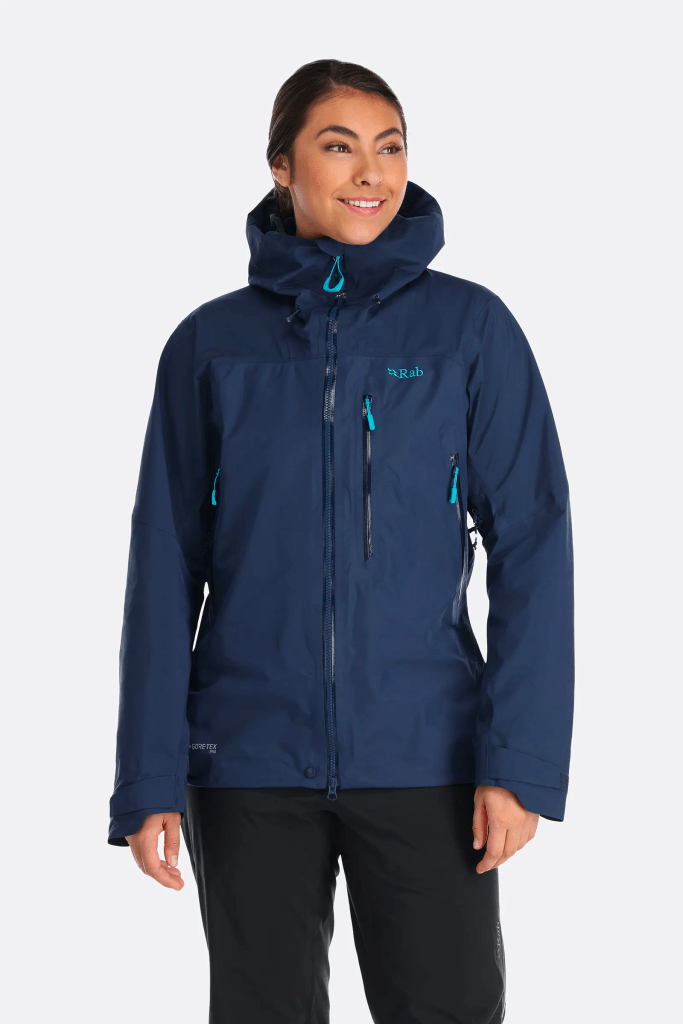
For tropical weather hikes like Mt. Rinjani and Mt. Ophir, the bigger problem is usually rain and wind. A waterproof shell is essential to keep you dry and shielded from wind blast. If you are the type to get cold easily, wearing a normal jacket will suffice as well. If the weather is quite sunny, wearing long arm sleeves from Shopee will also work to shield you from the sun.

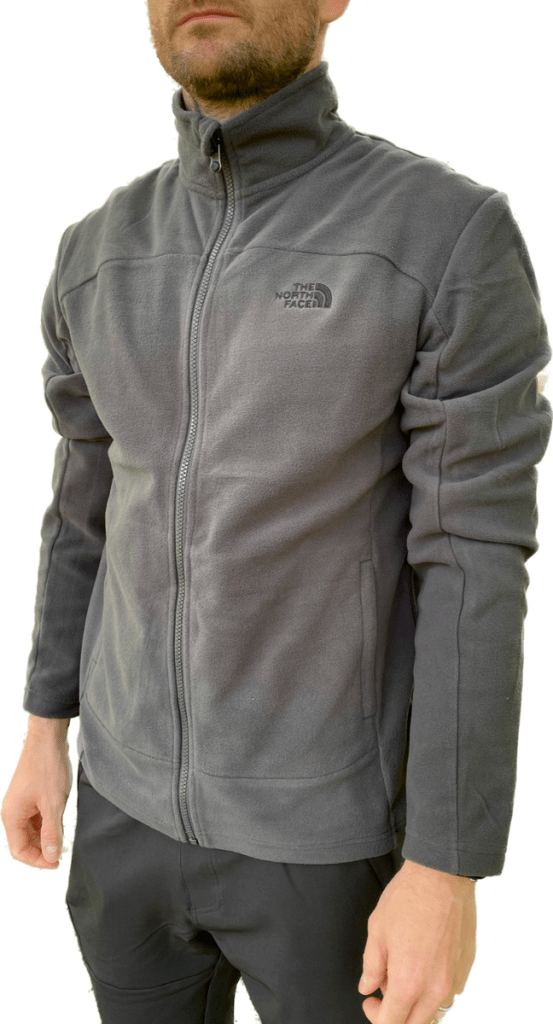
For colder climate or high altitude climbs, you will probably need a fleece jacket in addition to a waterproof shell. We hesitate to recommend a down jacket, because they are quite expensive and not really necessary once you warm up on a hike, but if you are doing something like say EBC in the winter – probably a good idea to buy one. Thermal base layers are also quite important if you foresee the temperature dropping to near 0 or even the negatives. For pants, normal hiking pants will suffice – though if you are sensitive to the cold, fleece pants will definitely be nice.

3. What to pack
This will obviously differ depending on how long your trek is and the temperature, but we included the essentials that you should pack on any trek
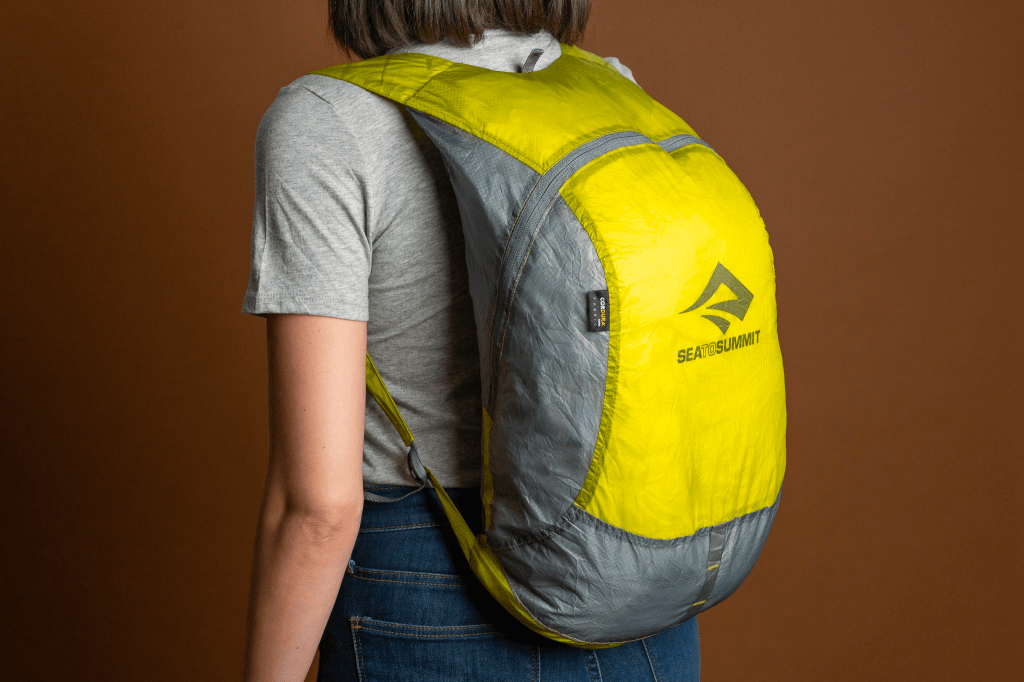
- 20-30l Day Pack.
- If you are just going for a quick summit push, or just 2/3 days of hiking, a small day pack is usually sufficient. Enough to put water, snacks and a change of clothes as most of your luggage should be left behind or carried along by pack animals/porters (don’t pack too much!)
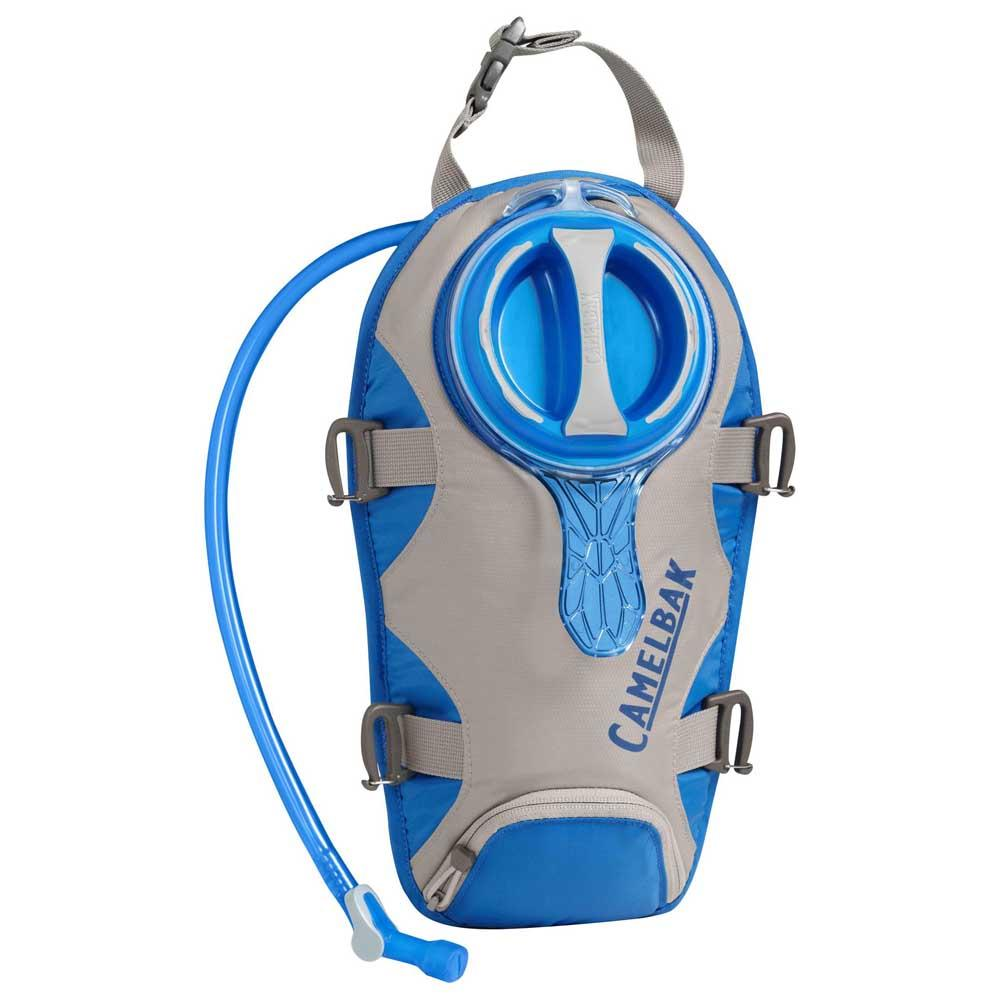
- Camelbak/Water Pouch
- The 3L ones seem to be standard, these are the water bags with the really long pipe/straw thing that you see hikers and runners carry. Very useful – trust us, you wouldn’t want to fiddle with getting your water bottle out every time you feel thirsty.
- Thermos
- For colder climates, or for putting cold drinks in warm climates. Heavy, but a great luxury especially if its so cold that it’ll freeze the water in your Camelbak.
- Sun hat, Sunglasses, Sunblock
- For the sun protection. Absolutely essential in snowy conditions.
4. How to train
Check out our training guide right here 🙂
TLDR: Hike and jog regularly, every week, for a longer duration each time, for at least a month or two.
5. Final tips
- It’s a journey. No matter what your starting point is, hiking is for everyone and never let anybody tell you differently. Whether you do it with or without guides & porters, it does not matter as long as you keep walking. Even if one hike gets too difficult, the mountain is always there – you can always come back the next time.
- Get the right gear. Notice its “right”, not “most expensive”. Know the temperature and difficulty of your hike, and prepare accordingly. Really – it could mean the difference between a 5 star experience and the worst 3 days of your life.
- Enjoy 🙂
Come join our hikes today! We gather like-minded solo adventurers and send group trips to the greatest hikes on planet Earth, and you’re invited 😉
 Sotravel
Leave a comment